Planning your trip to Vietnam
Deciding where to go in Vietnam will be a lot easier once you realise that the vast majority of the information available online (at least in English) is written by, and for, travellers with an abundance of time but… a scarcity of funds… Backpackers, gap year travellers, aspiring digital nomads.
Vietnam, however, is no longer a destination geared exclusively towards budget travellers. Luxury travellers will have some serious decision making to do, especially when it comes to exploring Ha Long Bay and Hoi An or enjoying remote beach escapes.
But what about flashpackers? What about the many travellers not eager to stay at a ‘homestay’ but really not wishing to spend thousands a night on accommodation? The answer to this question is not that obvious as in other SE Asian countries. So, the guides in this blog focus on helping you experience the very best of Vietnam through carefully chosen affordably luxurious stays and experiences.
As for what to expect? I don’t really want to spoil it for you but Vietnam is special. If you think that Thailand or Indonesia has got you covered when it comes to SE Asian culture, landscape, cuisine and… vibes. Think again.
KNOW BEFORE YOU GO: VIETNAM
→ Explore my travel planning toolkit.
VIETNAM BUCKET LIST: WHERE TO GO
Vietnam does have something to offer to almost every type of traveller whether you wish to relax on a beach, go on a trekking adventure, immerse yourself in the unique culture or explore the country through its renowned cuisine.
If you are struggling to decide where to go in Vietnam or how long to spend in each destination focusing on what interests you the most is the obvious way to go. However, even if you are not a history buff, don’t shy away from the sights and experiences that tell the story of this country.
Even though most of us know about Vietnam’s recent history, much of the country’s long and complex past remains unfamiliar to visitors. The resilience of the Vietnamese people through centuries of conflict, occupation and upheaval -and not just the Vietnam War- is truly inspiring, and adds a fascinating dimension to travelling through the country.
If you have the opportunity, visit a museum / historical site or consider hiring a local guide to help put what you see into context and make it much more meaningful. We actually did the latter during our trip, when our hotel suggested hiring a local guide for the day rather than simply a driver. It turned out to be one of the best decisions we made (and did not break the bank).
You don’t need to turn your holiday into a history lesson, but understanding a little of what shaped Vietnam will make travelling through it all the more rewarding.
Should I tour the whole country? Or not?
With so much information out there focused on riding the Reunification Express across the entire country, it would seem that Vietnam is either an exhausting month long expedition or nothing at all! It doesn’t have to be.
When planning a trip to Vietnam, my advice would be to decide on the area of Vietnam that interests you the most and explore it at a pace that suits you.
You wouldn’t try and see all of Italy in a two week trip, would you? Geographically speaking, Vietnam is even ‘longer’ than the Italian peninsula (and the train much slower)…
For most travellers with less than two weeks at their disposal, focusing on either the north, central or south of the country makes far more sense than trying to see everything. Not only will it spare you the logistical challenge, but it will also allow you to experience Vietnam at a much more enjoyable pace.
As I explain in the next section of this page, the country’s distinct regional climates may also help guide that decision.
While you don’t need to ride the train all the way from Hanoi to Ho Chi Minh City, using it at least once over a shorter distance can be an incredible experience.
We took the overnight train from Hanoi to Sapa, and the ride was so much fun! Not headed for the mountains? The train network covers so many parts of the country via daytime and overnight train rides and you can easily make it as an integral part of your itinerary rather than an unnecessary add-on.
Northern Vietnam: Hanoi, the mountains, ethnic minorities and incredible karst scenery
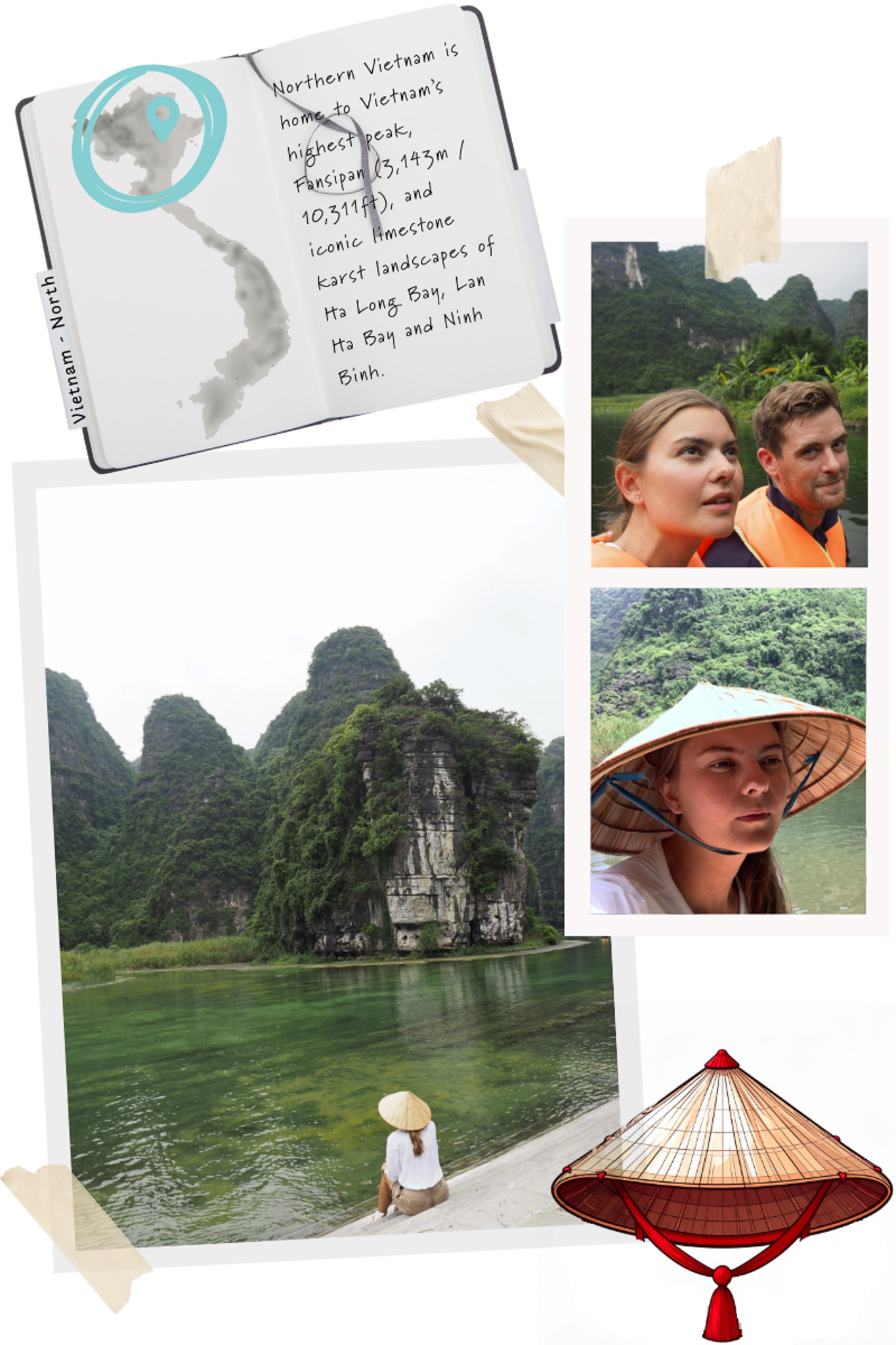
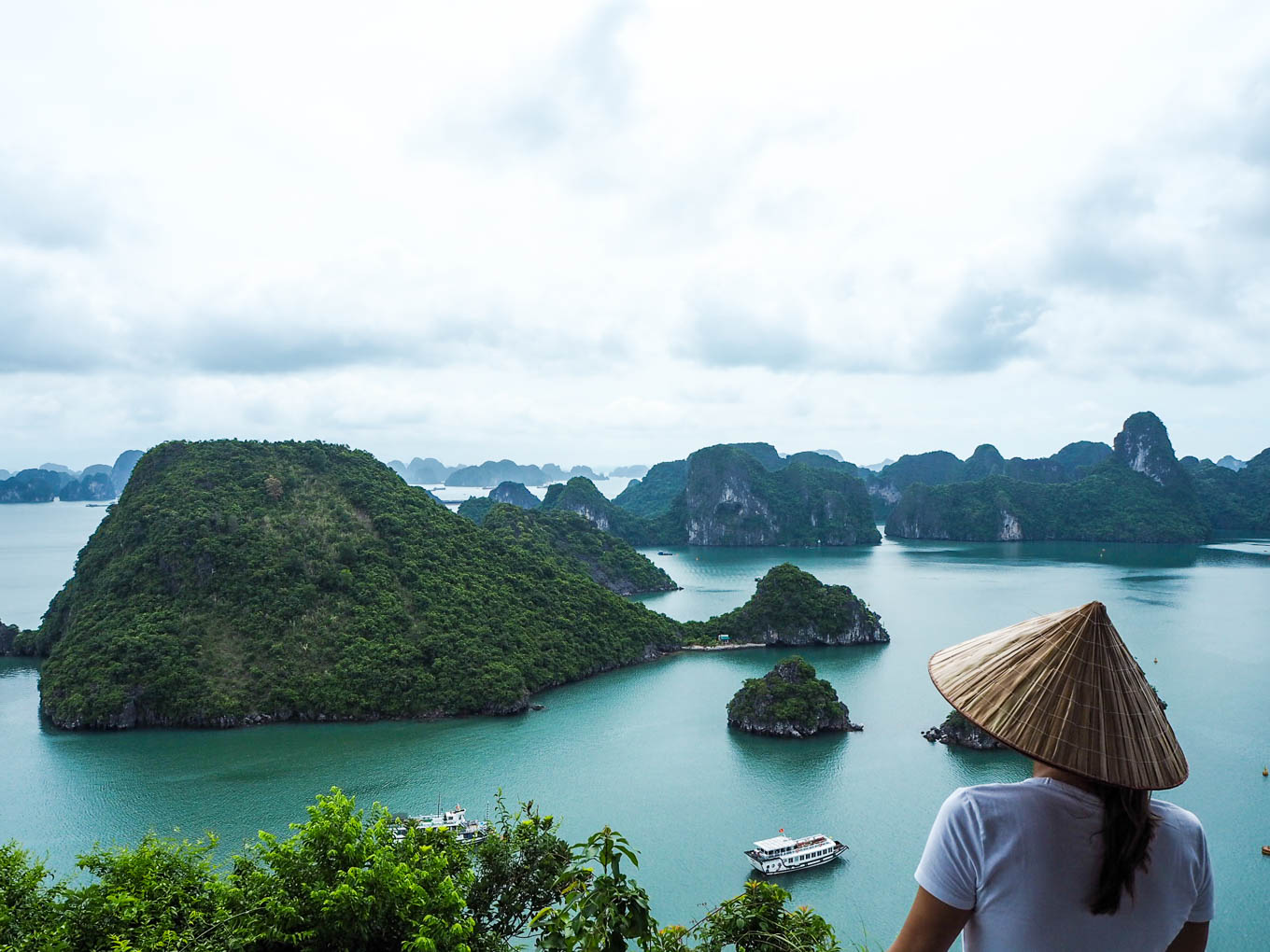
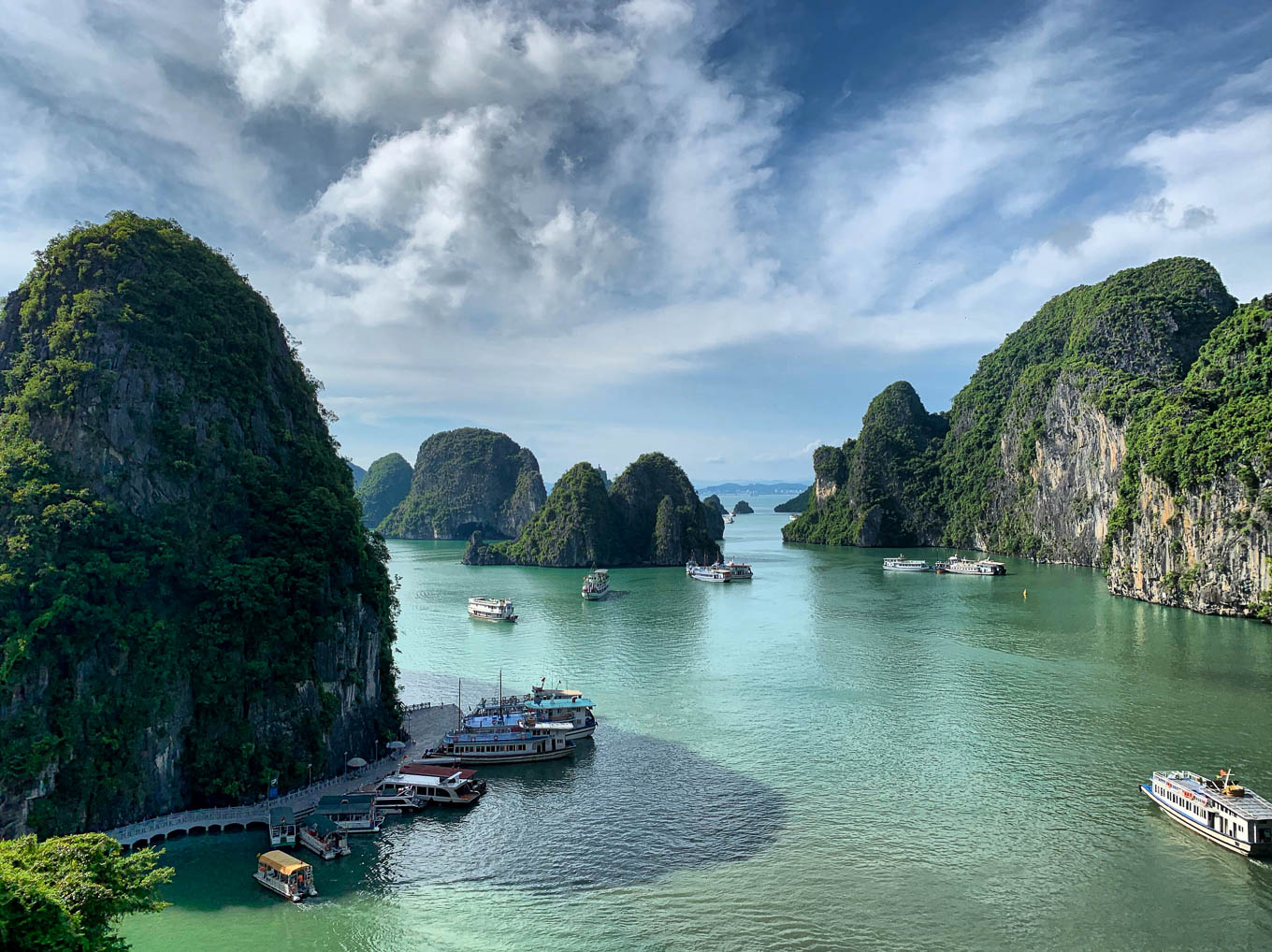
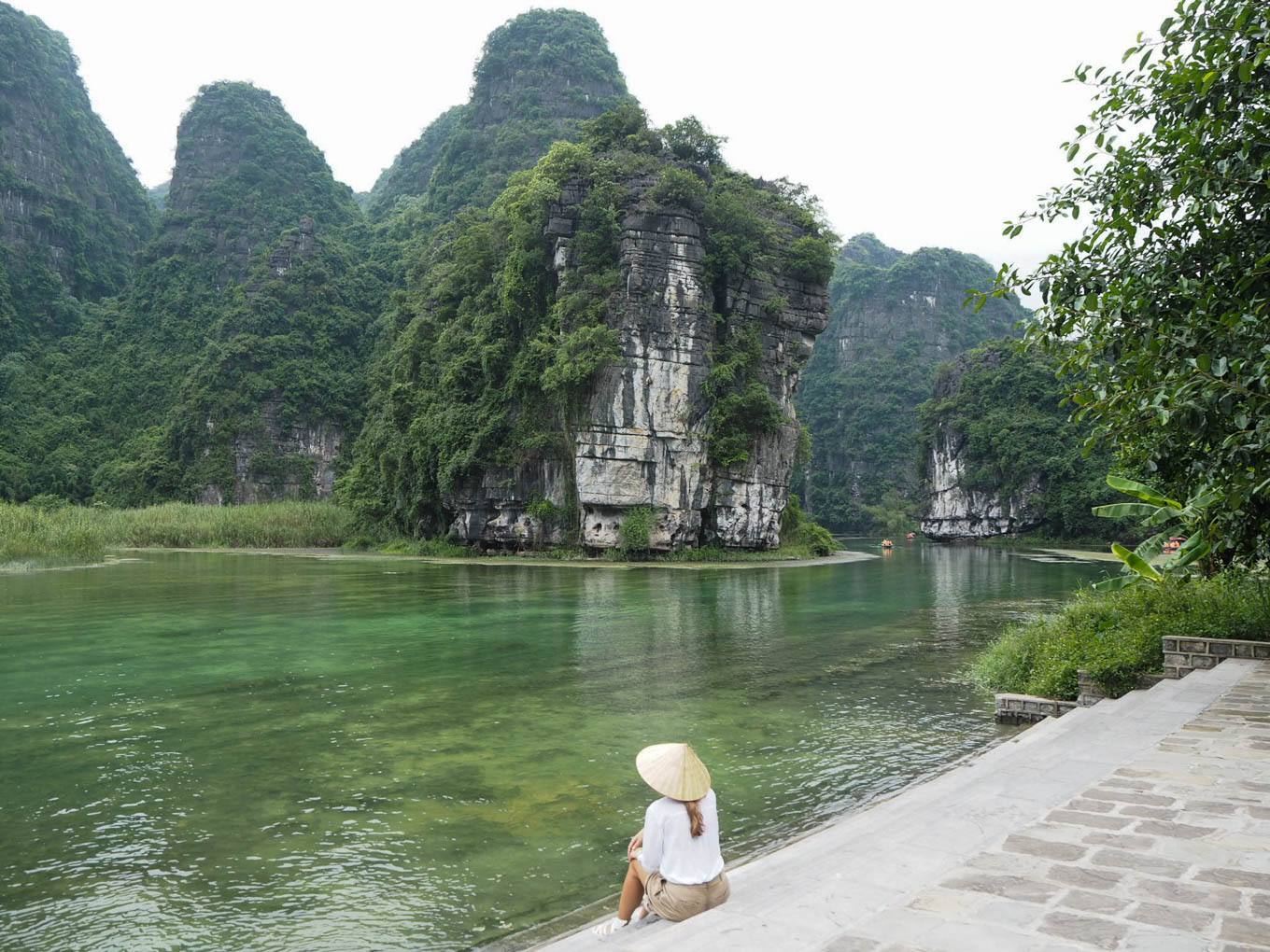
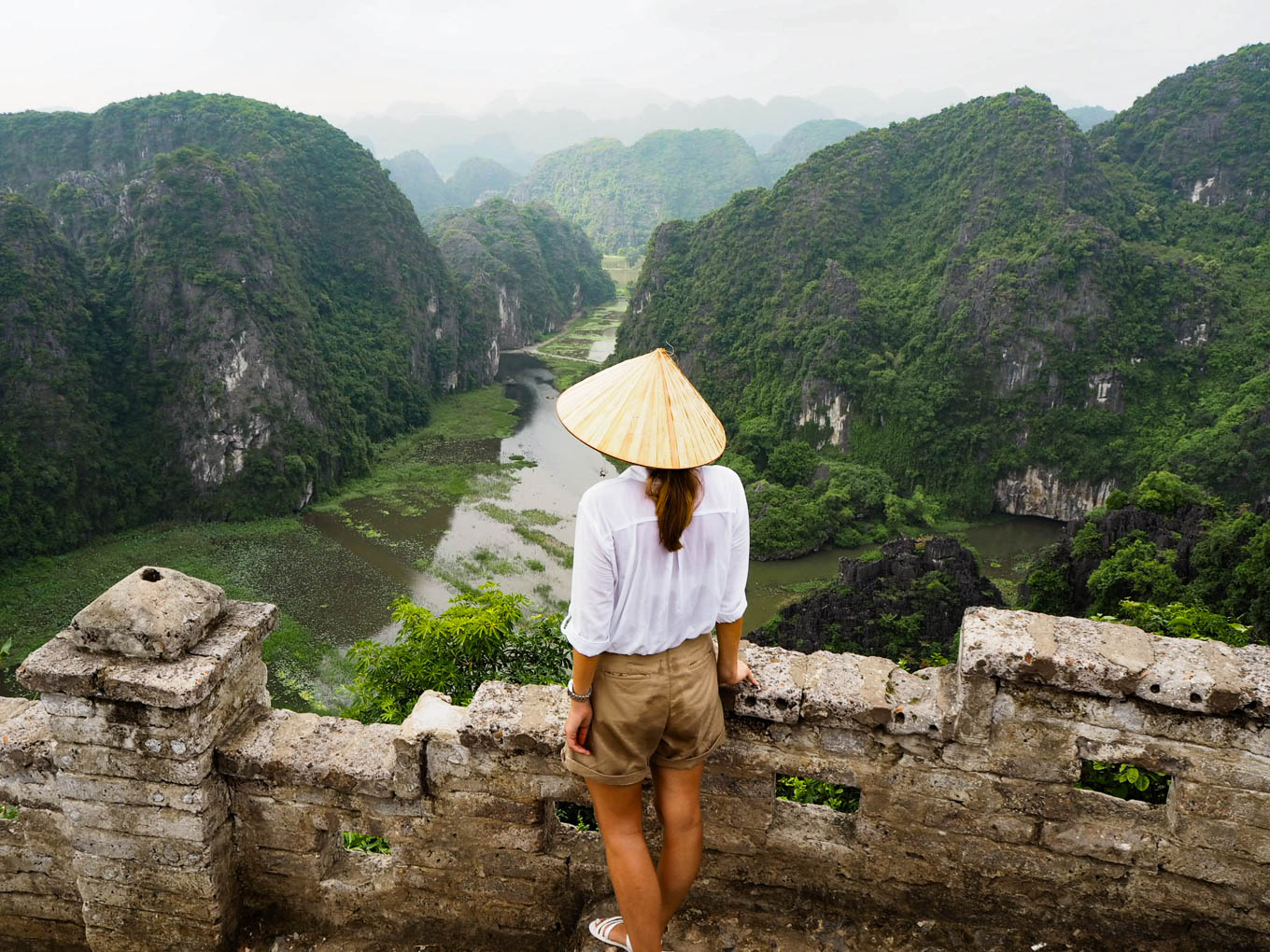
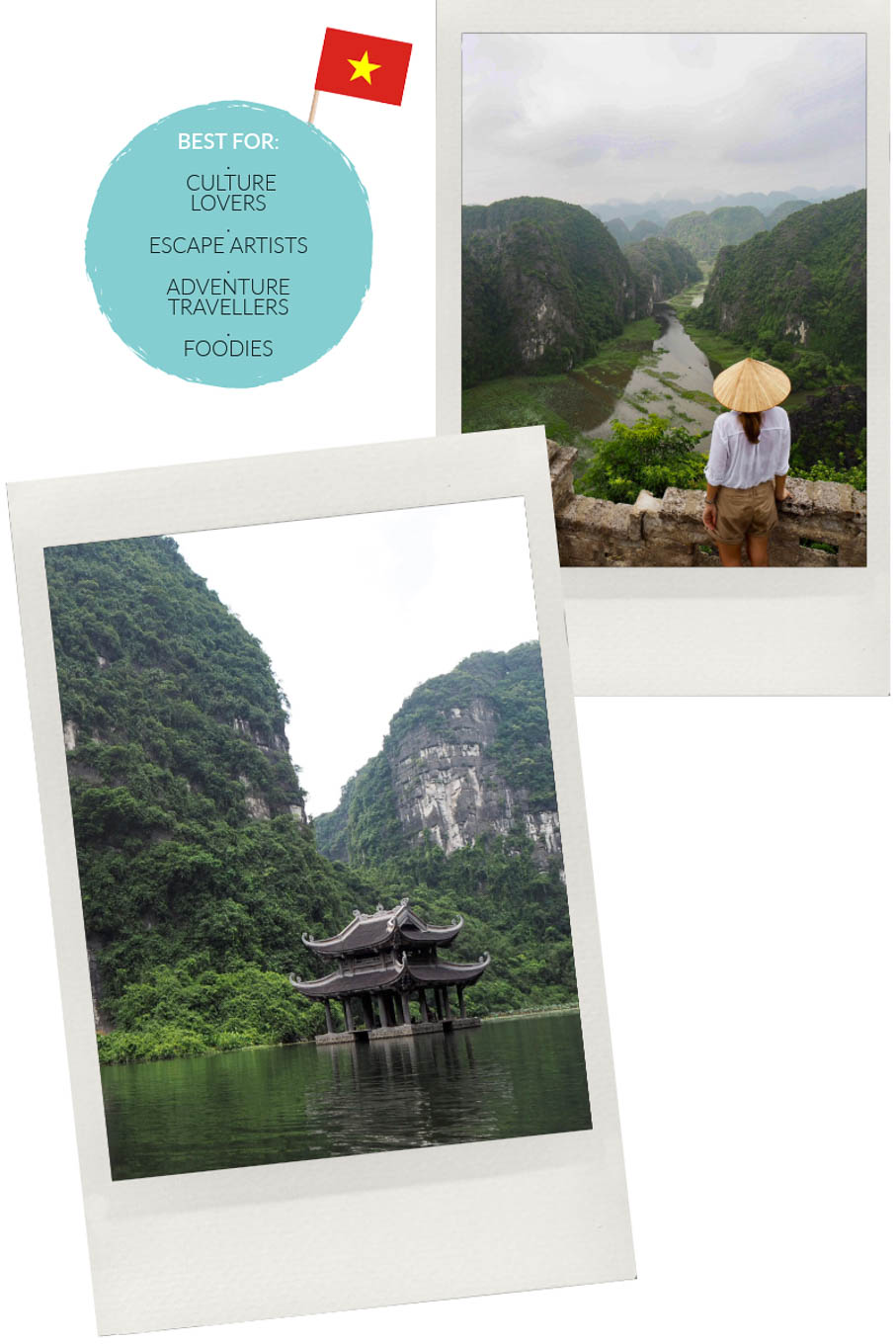
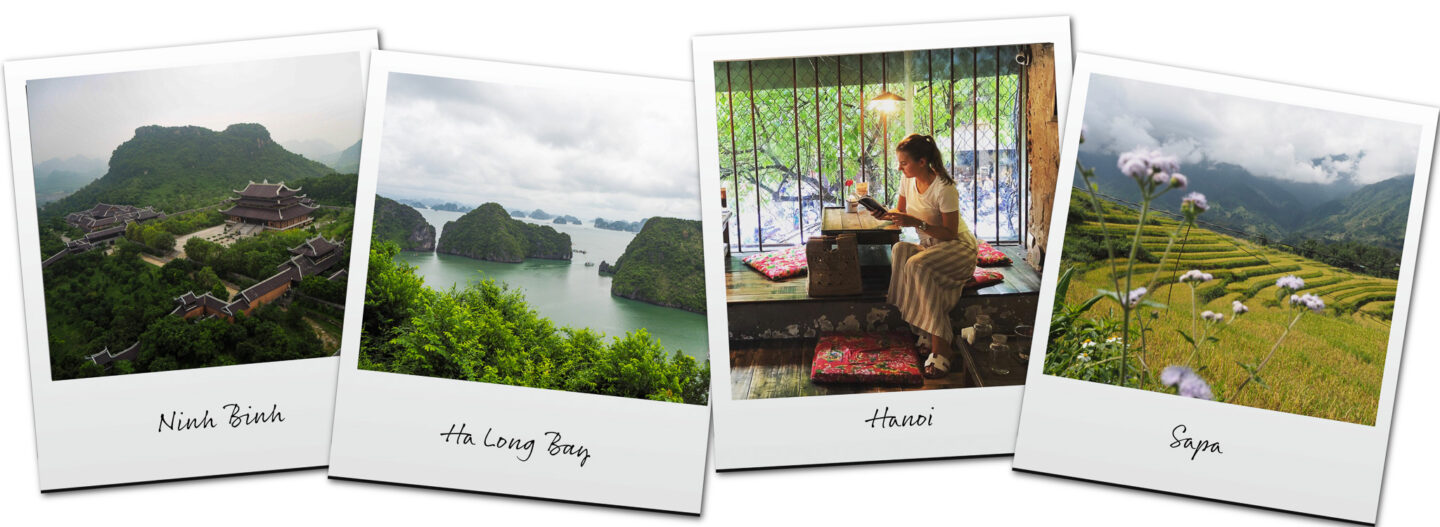
Experience the chaotic charm and rich history of Hanoi. Cruise through the stunning karst scenery of Ha Long Bay or Lan Ha Bay, or explore the romantic countryside around Ninh Binh, often referred to as Ha Long Bay on land.
Head further north to explore the mountains and rice fields of Ha Giang, where spectacular scenery and remote villages make for an unforgettable road trip, or Sapa, for gentle hiking and a glimpse into the lives of Vietnam’s ethnic communities.
While many itineraries use Hanoi as a base for day trips, I would recommend slowing down and spending 2 nights in some of these destinations where possible.
For a first trip, the North is hard to beat if you want a combination of culture, scenery and adventure.
Central Vietnam: Where history, culture, beaches and adventure come together.
Explore the imperial heritage of Hue, wander through the atmospheric streets of Hoi An, or head south to Quy Nhon for a more under-the-radar coastal escape.
Further north, Phong Nha offers something completely different, with spectacular caves hidden among jungle-covered limestone mountains -from easy cave visits to serious multi-day trekking expeditions.
I am currently planning my next trip to Vietnam, this time focusing on the centre of the country. Personally, I plan to stay in several locations, including Hue and Hoi An, as I prefer to experience places at a slower pace rather than use one base for everything.
However, if you prefer to settle into one hotel, the beachside city of Da Nang can make a convenient base, with Hoi An an easy day trip and Hue a longer one.
Central Vietnam is perhaps the best choice if you want to combine culture with some time by the sea -and still have plenty of room to venture beyond the obvious.
South Vietnam: Vibrant HCMC, the Mekong Delta and tropical islands
Experience the energy and contrasts of Ho Chi Minh City (HCMC), Vietnam’s largest city, where grand colonial architecture, modern skyscrapers, bustling markets and some of the country’s best food all come together. Just outside the city, explore the Cu Chi Tunnels, an extraordinary underground network offering a fascinating insight into Vietnam’s wartime history.
Beyond the city, explore the waterways and rural landscapes of the Mekong Delta, with floating markets, fruit orchards and traditional villages offering a glimpse of a very different side of Vietnam.
For some time by the sea, head to Phu Quoc, a developed island destination with beautiful beaches and a wide choice of large beach resorts. For something quieter and more remote, Con Dao offers beautiful beaches, jungle-covered mountains and a much more peaceful atmosphere, although accommodation options here are limited.
The South is a great choice if you want to combine the energy of Ho Chi Minh City with tropical islands, rural landscapes and a slower pace.
VIETNAM CLIMATE & BEST TIME TO VISIT
When most people think of Vietnam, they think of hot, tropical weather. While that is certainly true in much of the country, Vietnam’s long, narrow geography means that the climate varies considerably from north to south.
Rather than having one clearly defined dry and rainy season across the entire country, Vietnam has several distinct weather patterns. The north experiences cool winters and hot, humid summers, while the central coast has a later rainy season and the south remains warm year-round, with a more conventional tropical wet and dry season.
This means that when you visit can make a big difference depending on which part of Vietnam you are planning to explore. If your priority is sunshine and beach weather, for example, the best months for Central Vietnam are quite different from those for Phu Quoc.

So, when is the best time to visit Vietnam?
There isn’t really one perfect month for the entire country. March – April is probably the easiest period for a multi-region trip, as Northern Vietnam is emerging from its cooler winter while Central Vietnam is warm and relatively dry, and the South is still in its dry season.
However, if you are only visiting one region, it makes much more sense to choose your dates around that region’s climate rather than trying to find a single “best” time for Vietnam.
In a nutshell:
North: March – May & September – November
Central: March – May
South: December – March
Planning a multi-country Southeast Asia trip?
Vietnam doesn’t follow quite the same weather pattern as Thailand, Laos and Cambodia. While much of mainland Southeast Asia has a broadly tropical wet / dry season, Vietnam’s climate varies significantly from north to south. This means that the months that offer the best weather elsewhere in the region may not necessarily be the best months for every part of Vietnam.
For example, November – February is a popular period for travelling around Thailand, Laos and Cambodia, but Northern Vietnam can be cool and Central Vietnam can be wet during these months.
If you’re combining Vietnam with other destinations, it’s worth looking at the weather for the specific Vietnamese regions you’re visiting, rather than assuming the whole region shares the same season.
See my best time to visit Southeast Asia guide and map for a visual overview of the different weather windows across the region.
Northern Vietnam: Subtropical Climate
Northern Vietnam -including Hanoi, Ha Long Bay, Ninh Binh and the mountainous areas around Sapa and Ha Giang- has the greatest seasonal variation of the three regions.
December – March: Cool, often cloudy and misty
Day 15-22°C (59-72°F), with colder nights.
Mountainous areas can be considerably colder.
Ha Long Bay and the northern mountains can experience periods of mist and low cloud.
April – June: Warm to hot and increasingly sunny
Day 24-32°C (75-90°F).
Generally a lovely period for sightseeing before the summer heat and heavier rainfall arrive.
June – August: Hot, humid and rainy
Day 30-34°C (86-93°F).
Frequent heavy showers and thunderstorms.
The hottest and wettest period in much of the region.
September – November: Warm, then gradually cooler and drier
Day 23 – 31°C (73–88°F).
Generally becoming drier and more comfortable as autumn progresses.
The mountainous north is cooler than Hanoi, particularly during winter. Sapa can be surprisingly cold between December and March, while October is particularly attractive for seeing its rice terraces around harvest time.
Ninh Binh follows broadly similar seasonal patterns to Hanoi, and temperatures can vary considerably throughout the year: average highs range from around 20°C in January to 33°C in June – July.
Central Vietnam: Tropical Monsoon Climate
Central Vietnam -including Hue, Hoi An, Phong Nha and Quy Nhon- is more complicated than it first appears. The region generally enjoys a long, hot and sunny period, but its rainy season arrives later than in northern and southern Vietnam.
February – August: Warm to very hot and generally sunny
Day 24-35°C (75-95°F).
March – April are particularly pleasant before temperatures climb.
May – August can be very hot, particularly around Hue and Hoi An.
September – January: Rainy, cloudy and cooler
Day 22-31°C (72-88°F).
Heavy rainfall is possible, particularly from September to December.
Central Vietnam can experience tropical storms and flooding during the wettest months.
For beach weather, March – August is generally the safest bet for Central Vietnam, although March and April offer a particularly good combination of warm temperatures and more comfortable sightseeing conditions.
Southern Vietnam: Tropical Climate
Southern Vietnam -including Ho Chi Minh City (HCMC), the Mekong Delta, Phu Quoc and Con Dao- remains hot throughout the year, with much less seasonal variation in temperature than the north.
December – April: Dry season
Day around 30–35°C (86–95°F).
Hot, sunny and generally dry.
The most reliable period for exploring HCMC and the Mekong Delta.
May – November: Wet season
Day around 30-33°C (86-91°F).
Hot and humid, with frequent tropical downpours.
Rain often arrives as heavy afternoon showers rather than continuous rain all day.
The southern islands have their own variations. Phu Quoc is generally at its best from October to June, while July – September is the island’s stormiest period, when heavy rain and rough seas can affect beach conditions and ferry travel.
NORTHERN VIETNAM TRAVEL GUIDES
Hanoi, Ha Long Bay, Ninh Binh, Sapa & the mountains
For me, the biggest draw of Northern Vietnam is the sheer variety of spectacular scenery. You can cruise between limestone karsts in Ha Long Bay, take a boat through the landscapes of Ninh Binh, trek through rice terraces in Sapa or take a road trip through the spectacular mountains of Ha Giang.
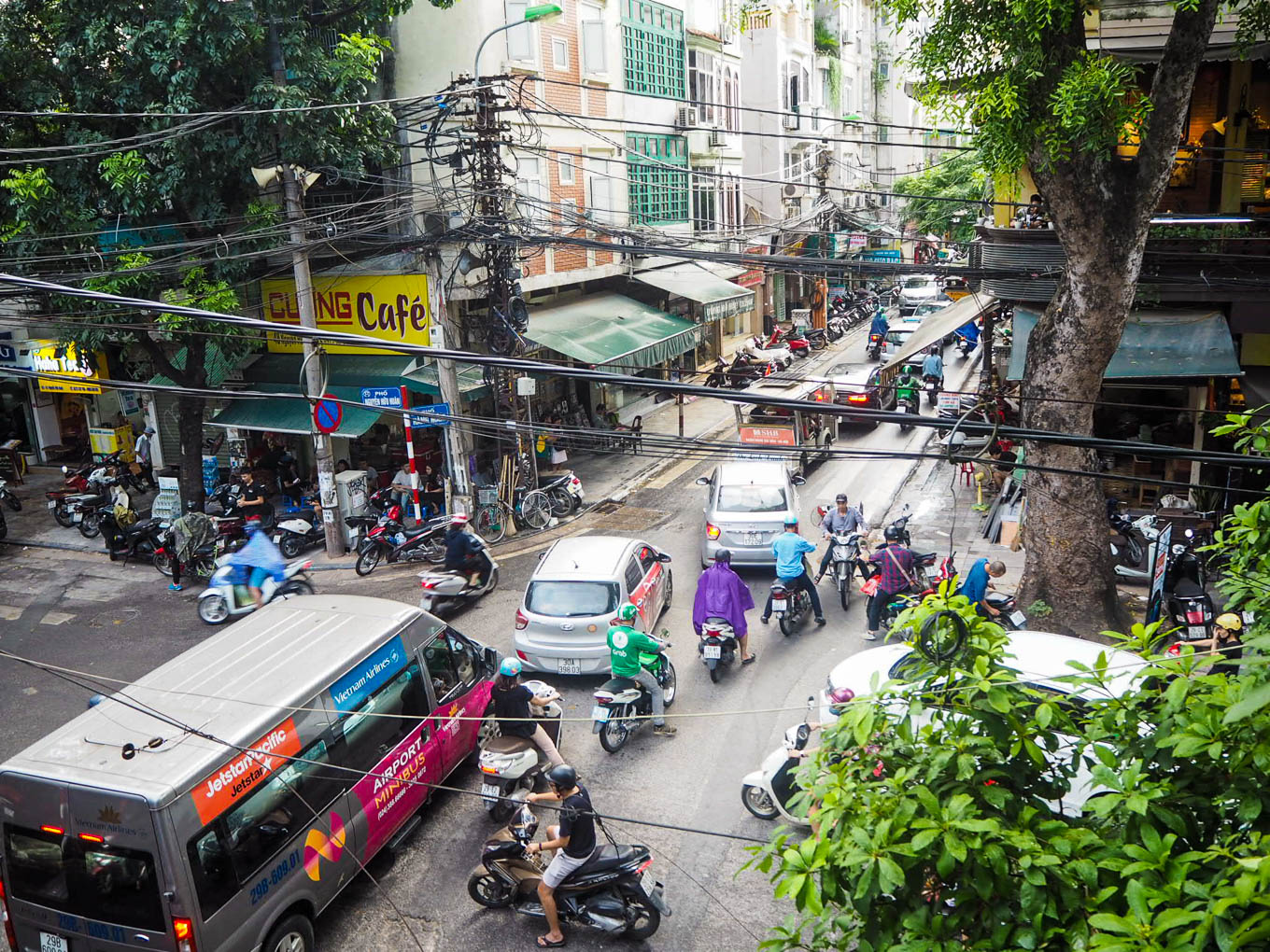
The region also offers some of Vietnam’s most interesting cultural experiences. The mountains are home to many of the country’s ethnic minority communities, while Hanoi provides a completely different experience: a fascinating city of atmospheric streets, French colonial architecture, excellent food and a famously strong café culture.
In fact, Hanoi is increasingly finding its place on the Southeast Asian city-break map, and makes a particularly good starting point for exploring the north. From here, you can combine exciting city life with spectacular countryside without having to travel huge distances between them.
What the North isn’t, however, is the region to choose if your priority is a classic tropical beach escape. While Ha Long Bay and the islands around it offer opportunities for time by the water, the North is much more about mountains, countryside, culture and dramatic landscapes. If beaches and a more conventional seaside holiday are important to you, Central or Southern Vietnam will probably be a better fit.
The North also has more pronounced seasons than much of the rest of Vietnam, which are worth considering when planning your trip. Winter can be surprisingly cool, while spring and autumn bring some of the most comfortable conditions for exploring.
The North is particularly well suited to travellers who love spectacular scenery, culture, food and a little adventure and who would rather spend their days exploring than lying on a beach.
For a first trip to Vietnam, the North is hard to beat if you want to experience several very different sides of the country without trying to cover the whole length of it.