Published: 5th of October 2026.
This is not a sponsored post & I am not affiliated with any of the hotels, restaurants or organisations mentioned.
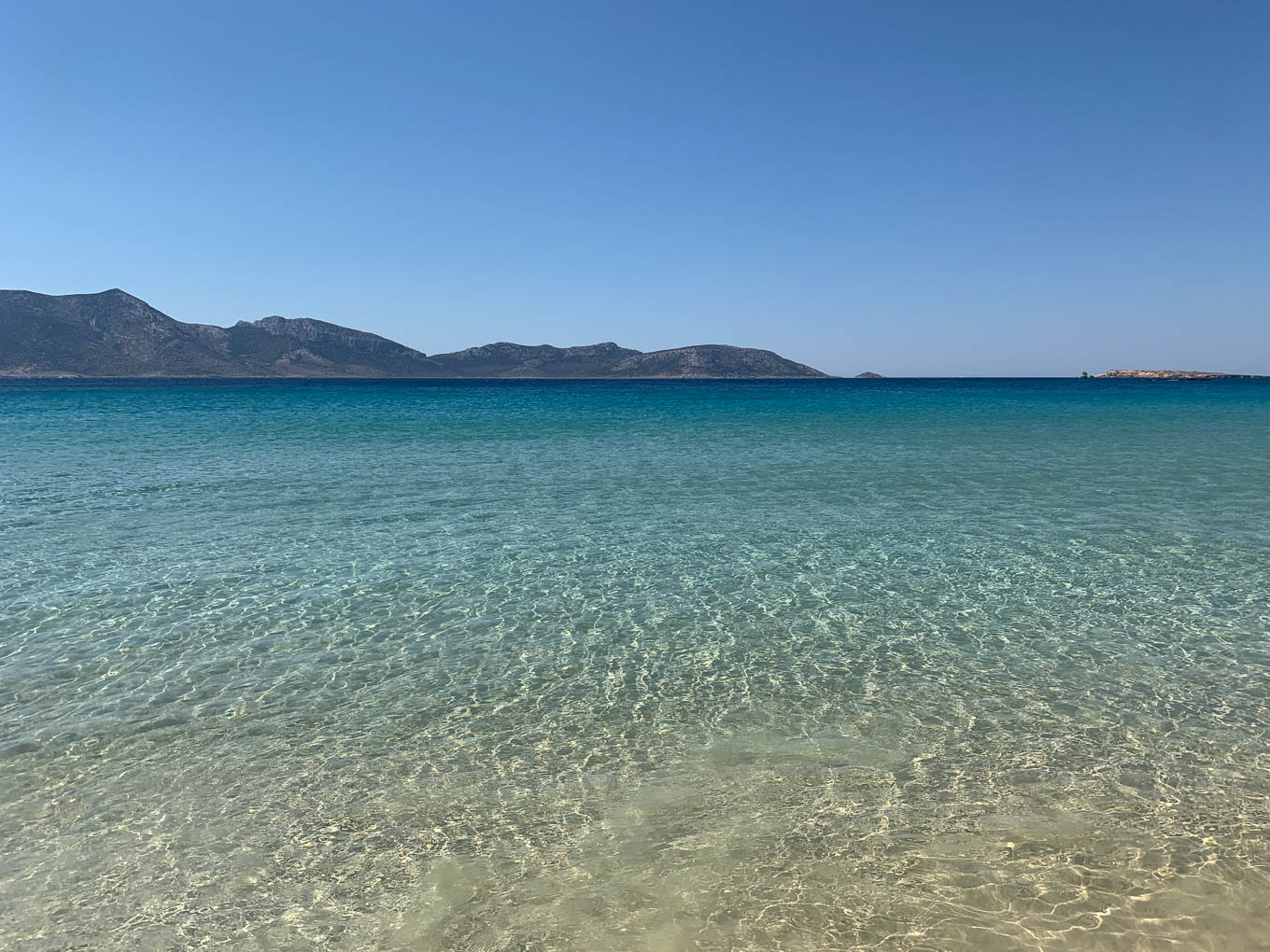
Having been stuck in a London flat where the ambient temperature never fell below 30°C (86°F) for two consecutive months (and no aircon, of course, because this is London), my husband and I thought it would be a good idea to try something new for our annual Greek island summer trip.
The London heat was not the main culprit, though. For more than 15 years now, we have been visiting the Greek islands in late July or August. In the last few years, I have found myself increasingly annoyed by the fact that finding a pair of empty sun loungers on a beach was more often than not… dare I say it… stressful.
Wouldn’t a mid-September Greek island holiday be ideal? Not too hot, not too crowded and with that cool and unbothered energy that July and August simply cannot deliver almost anywhere along the Mediterranean coastline. Right?
We travelled on the 12th of September to the beautiful Greek island of Spetses (not too far from Athens). In case you are new to this blog, I have visited Spetses more than 10 times, and it’s the island where my husband and I got married. I know that island well.
In fact, Spetses is one of my favourite places in the world, and nothing would convince me that there is a right and wrong time of the year to visit it. Or would it?
I will just come out and say it. The weather was not what you want for a beach holiday. But that wasn’t the only thing I discovered.
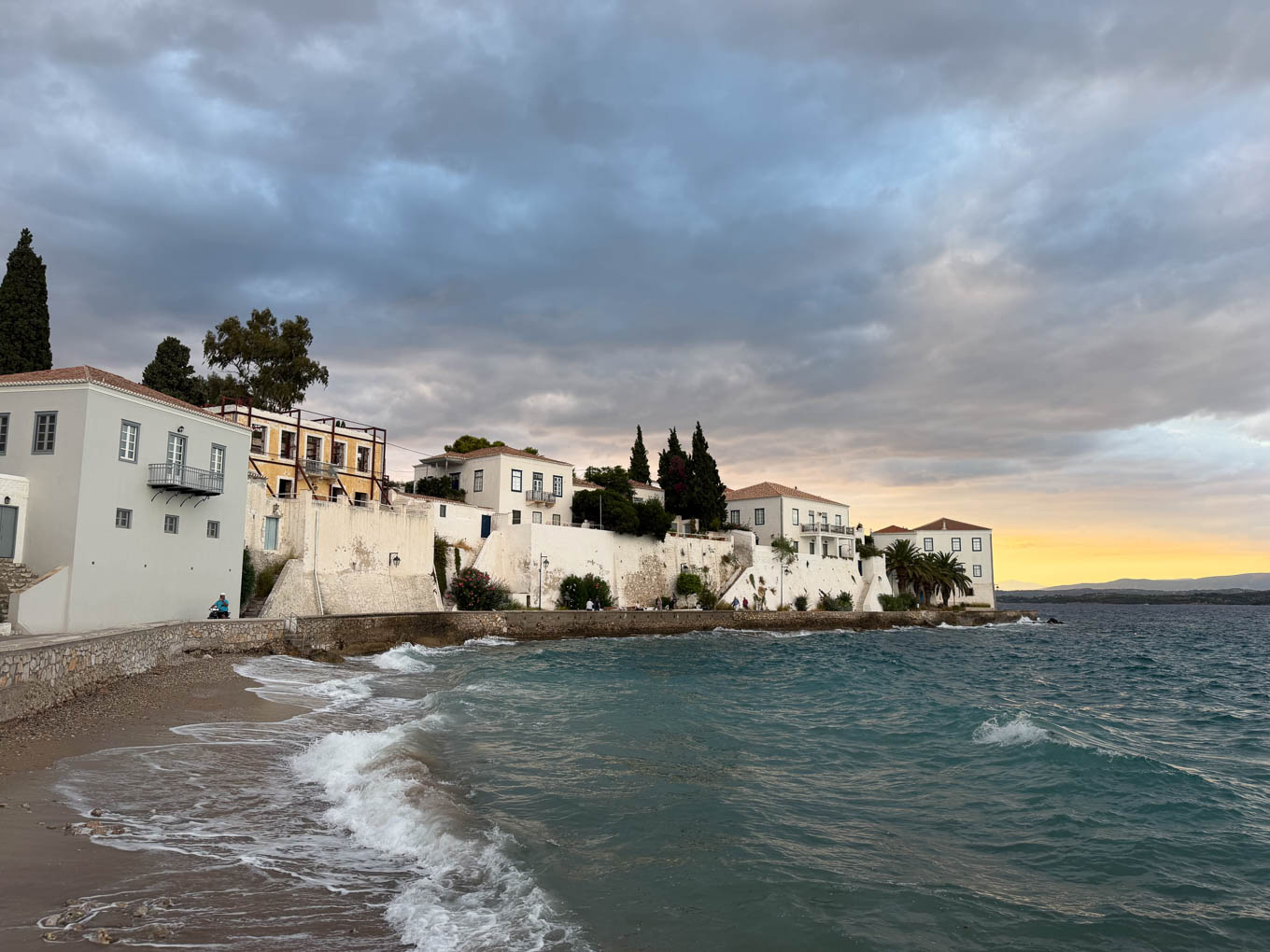
PLEASANT WEATHER IS NOT THE SAME AS BEACH WEATHER
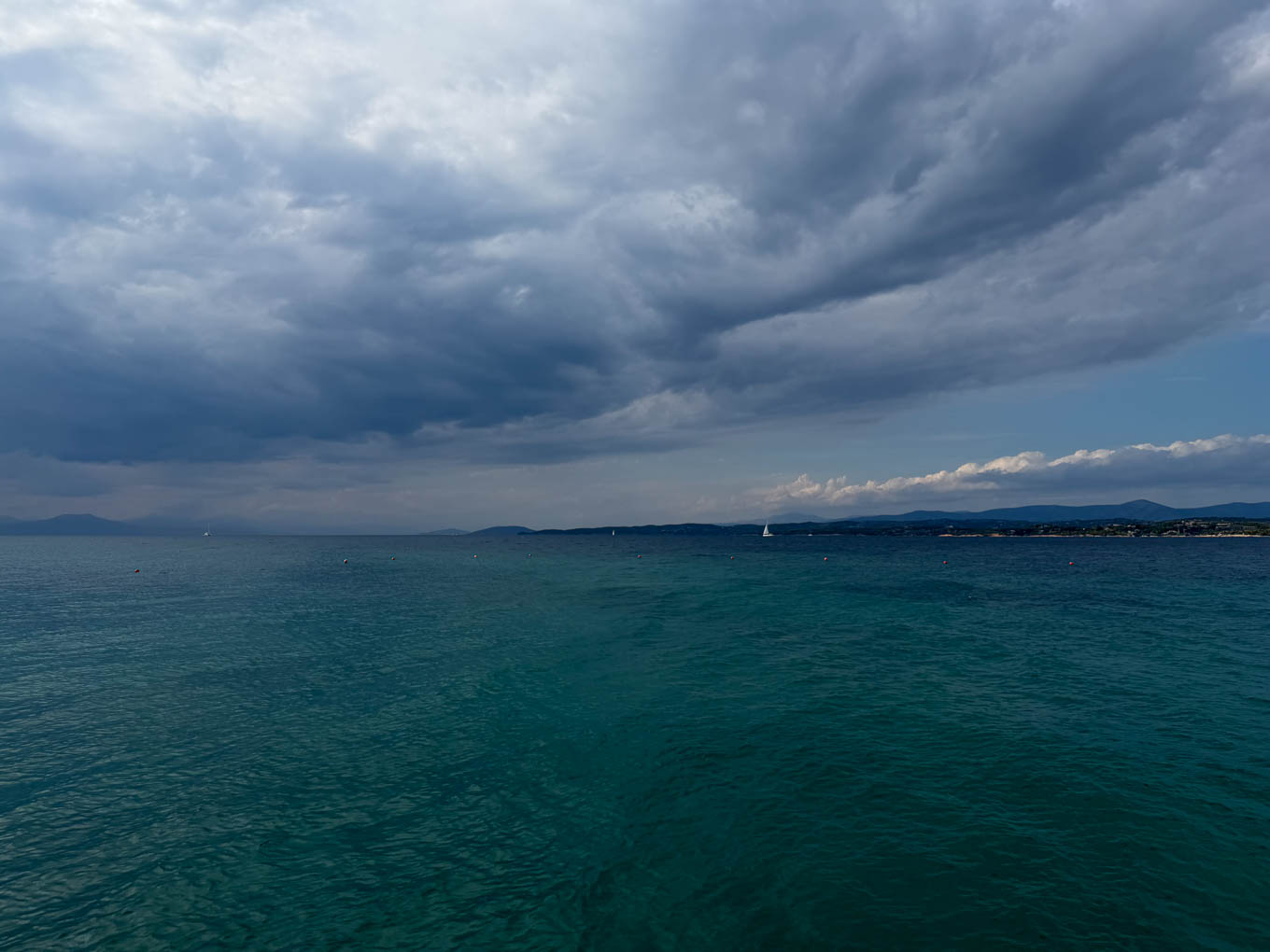
Out of the four full days we stayed in Spetses in mid-September, one was incredible: 29°C (84°F) and sunny. The next one was cool, at max 23°C (73°F), and it rained all day. The third was extremely cloudy and cool, also around 23°C (73°F), and the last one was very similar.
Rain never lasts for too long in most parts of Greece. Looking at the weather forecast for the days following our stay, the weather would improve to sunny for a couple of days and then continue to be a mix of sun and clouds, but the temperature would never exceed 24°C (75°F).
In case you live in a crowded, stuffy city where 24°C (75°F) feels like 32°C (90°F) -hi, London- let me remind you this:
A maximum day temperature of 24°C (75°F) on a breezy island (and Spetses is not even that breezy -nothing like Mykonos levels of breezy) means you need long trousers. This is not the kind of weather that makes you think, I so want to go to the beach right now and have a refreshing dip.
People often conflate ‘pleasant weather’ with ‘beach weather’, and they are not the same thing.
WAS I JUST UNLUCKY?
You might say that this was a fluke and I was particularly unlucky with the weather.
However, this is not the first time I have visited Spetses in mid-September. There’s actually a quite famous historical festival that takes place every year there on the second weekend of September. It’s called Armata, and it commemorates the crucial role that the island played in the country’s revolution in 1821, ending the 400 years of occupation by the Ottoman Empire. There is a re-enactment where a replica of the Ottoman flagship is burned, fireworks, concerts and so on.
This year, we visited Spetses right after Armata. However, many years ago I visited the island specifically to attend the festivities. It was raining all day and the festivities almost got cancelled.
Apart from island holidays, I have also been visiting northern Greece in September every year to see my family. Every September has been different. Sometimes, it’s very hot well into October and sometimes it’s cooler, and the only people walking around in shorts and flip flops are… tourists.
There’s nothing wrong with that, by the way. When I visit Thailand, I am probably guilty of that too.
BEACH HOLIDAY VS SIGHTSEEING HOLIDAY
The focus of this conversation so far has been on a beach holiday.
But not everyone goes to Greece for a beach holiday (and nor should they). Similarly, beach weather and sightseeing weather are not the same thing. In fact, they can be mutually exclusive.
I know that many of you will justifiably want to visit Greece and do both.
The typical high summer 32°C (90°F) heat spent by the beach can be ideal for most people, whereas a two-hour visit to an archaeological site will make most struggle. Some of you might say that this is too hot, regardless of what you are doing. Some of you might say that this is perfect and don’t mind how hot it is as long as there’s aircon. Greece does aircon relatively well, in my opinion. Not icy cold like the Middle East or Southeast Asia, but cool enough.
This is why I think the answer to ‘When should I visit Greece?’ is actually a much more complicated question than it first appears. It depends on what you want to do and your own personal preferences.
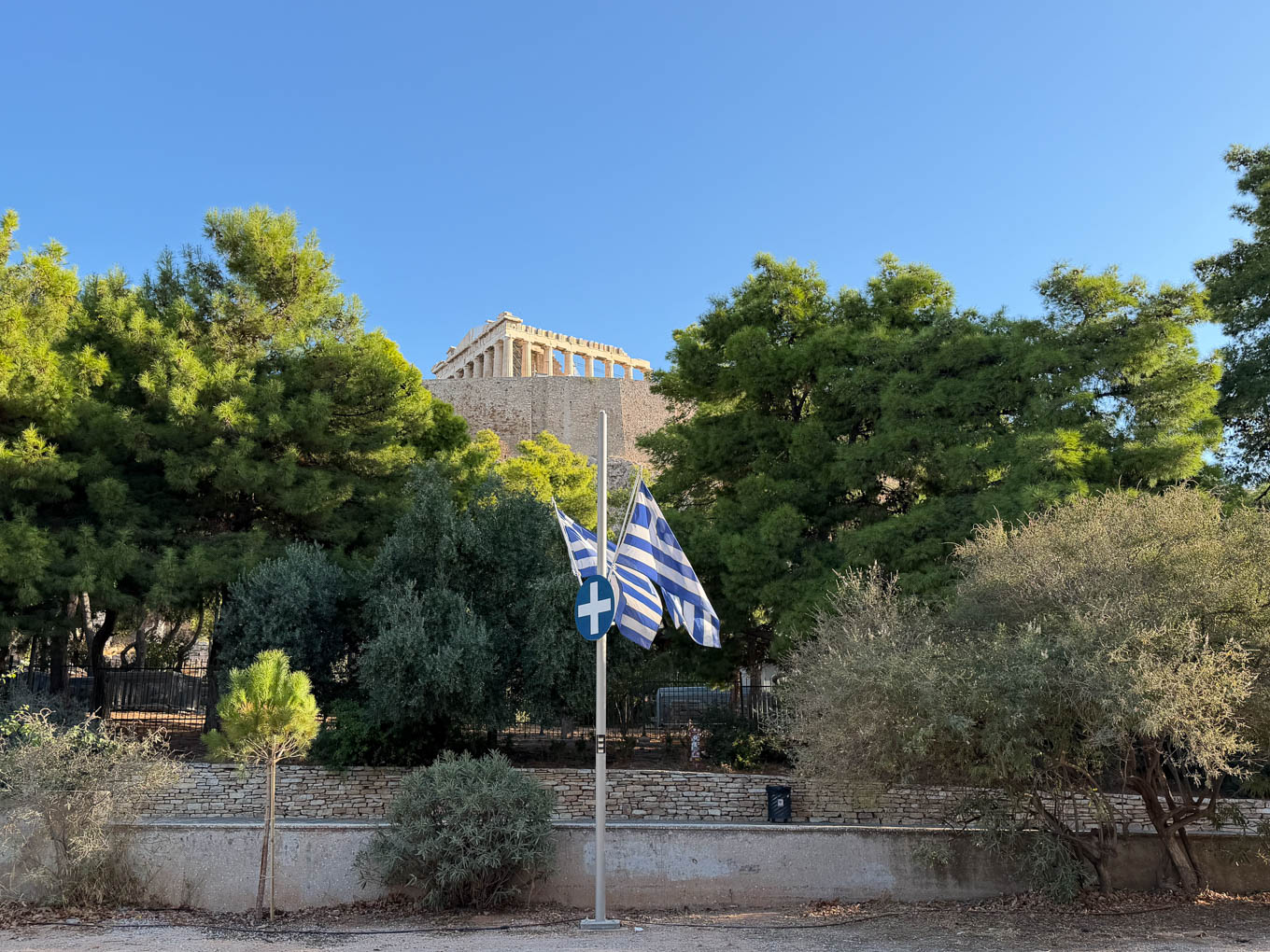
WHAT ABOUT THE CROWDS?
I do appreciate that travelling outside the peak periods has many rewards.
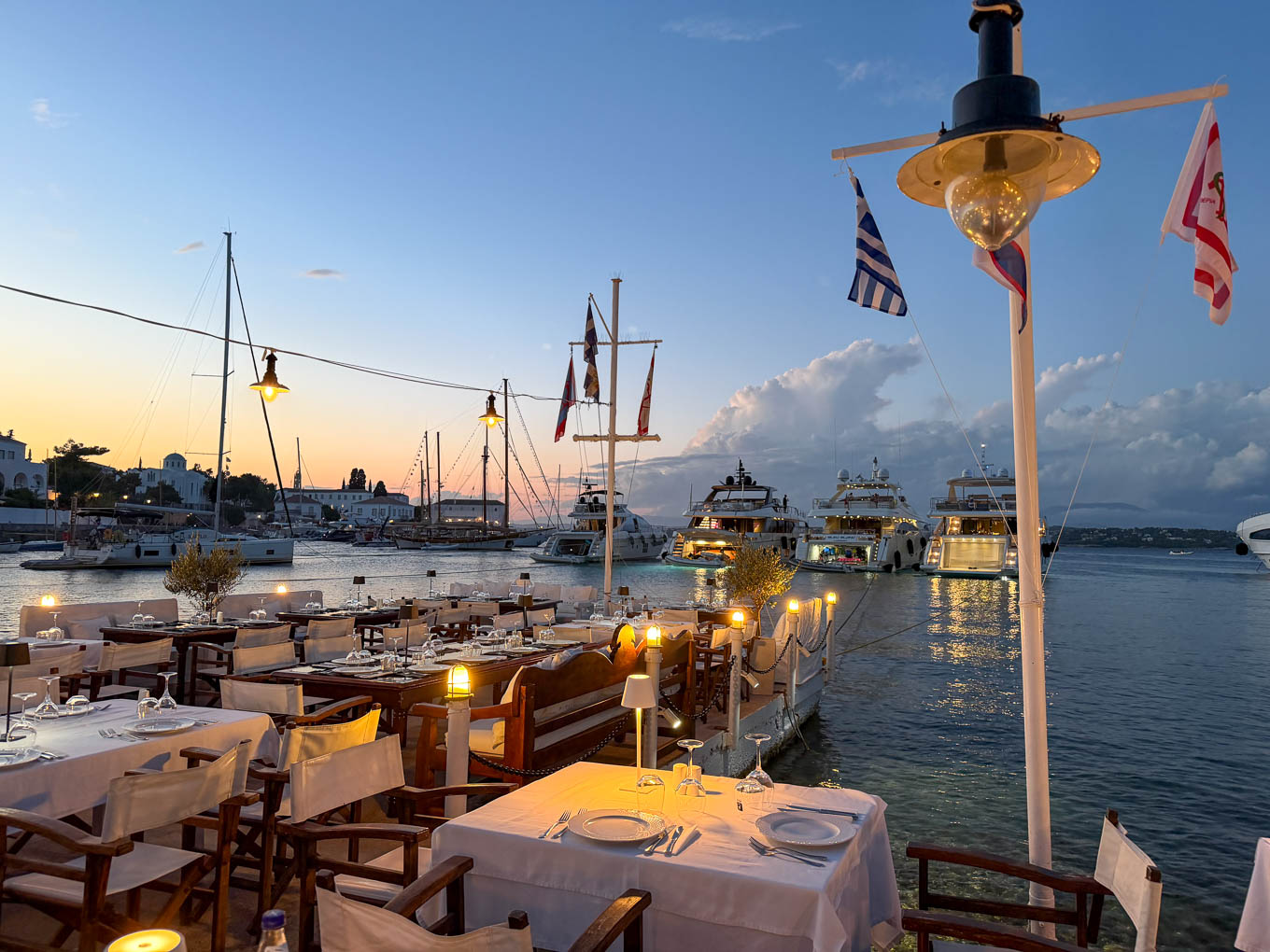
In fact, I loved the fact that we didn’t have to reserve a table anywhere in Spetses this year. It was never crowded, and I really enjoyed that. But someone might also say that it wasn’t lively enough. Indeed, that Euro summer, or what I call the perfect Greek summer experience, was not really there.
Was it just the weather? I am not sure.
Maybe even after decades of having graduated from school, we still feel that September means that summer is over. And so is that carefree feeling.
Greek (or euro if you prefer) summer isn’t just a temperature.
Greek summer is the long evenings, the people eating outside late into the night, the little boats heading out to beaches, the beach bars, the feeling that everyone is on holiday and nobody really needs to be anywhere.
Perhaps some of that ‘summer state of mind’ disappears when the calendar says September, regardless of what the weather is doing. Possibly because families with children and university students -the people who give so much energy to a place- do need to be elsewhere in September.
WHAT ABOUT MAY AND (EARLY) JUNE?
It is a similar situation in late May and early June.
While in many years the weather has been great, this is not always the case.
This year, the weather was great: super sunny, hot but not unbearable. It would make for a perfect beach holiday and a decent city-hopping or archaeological-exploration type of trip.
But looking back at all the previous times I was in Greece during late May and early June, rain and storms are common and the weather is only starting to heat up. Some days may be hot enough to spend a whole day by the beach. Some days are not.
A few years ago, I visited the beautiful island of Andros, in the Cyclades, for my birthday, at the end of May. Andros is a relaxed, truly under-the-radar destination even in the peak of summer. At the beginning of summer, the weather was, not hot, but pleasant. Anyway, we went to the beach, but we were alone. The beach bars were not open yet, there were no sun loungers available, and no boats to take us to more remote beaches. The locals told us that they begin their trips after the 15th of June.
That is another thing that can get lost in the ‘shoulder season is perfect’ narrative that has been becoming more and more prominent in social media. Regardless of the weather, the destination itself can still be waking up.
GREECE IS TRYING TO EXTEND THE SUMMER SEASON BUT WHERE YOU GO MATTERS
The ‘shoulder season is perfect’ narrative needs a little bit of context. We have been bombarded with it over the last couple of summers. Shoulder season is apparently the new July: warm weather, fewer crowds, lower prices and all the Greek island magic without the heat.
But there is one thing that is often missing from that conversation: the tourism infrastructure doesn’t necessarily follow the calendar.
In the bigger and more established destinations, the season is already much longer. Places like Crete, Santorini and Mykonos have been catering to international visitors outside the traditional July and August peak for decades. Crete, in particular, being at the southern edge of Greece, is also one of your best bets for the best possible weather in Greece in late May / early June as well as mid and late September.
However, in smaller islands or less popular seaside locations in the mainland, things can be different. A beach bar may not be operating. A boat service may have reduced its timetable. A restaurant may have decided that it doesn’t make sense to open every night. Some businesses are seasonal by nature, and the fact that the weather is still warm doesn’t automatically mean that the destination is operating exactly as it does in August.
This is something Greece is actively trying to change. Extending the tourism season is an explicit part of the country’s tourism strategy and, this is a good thing.
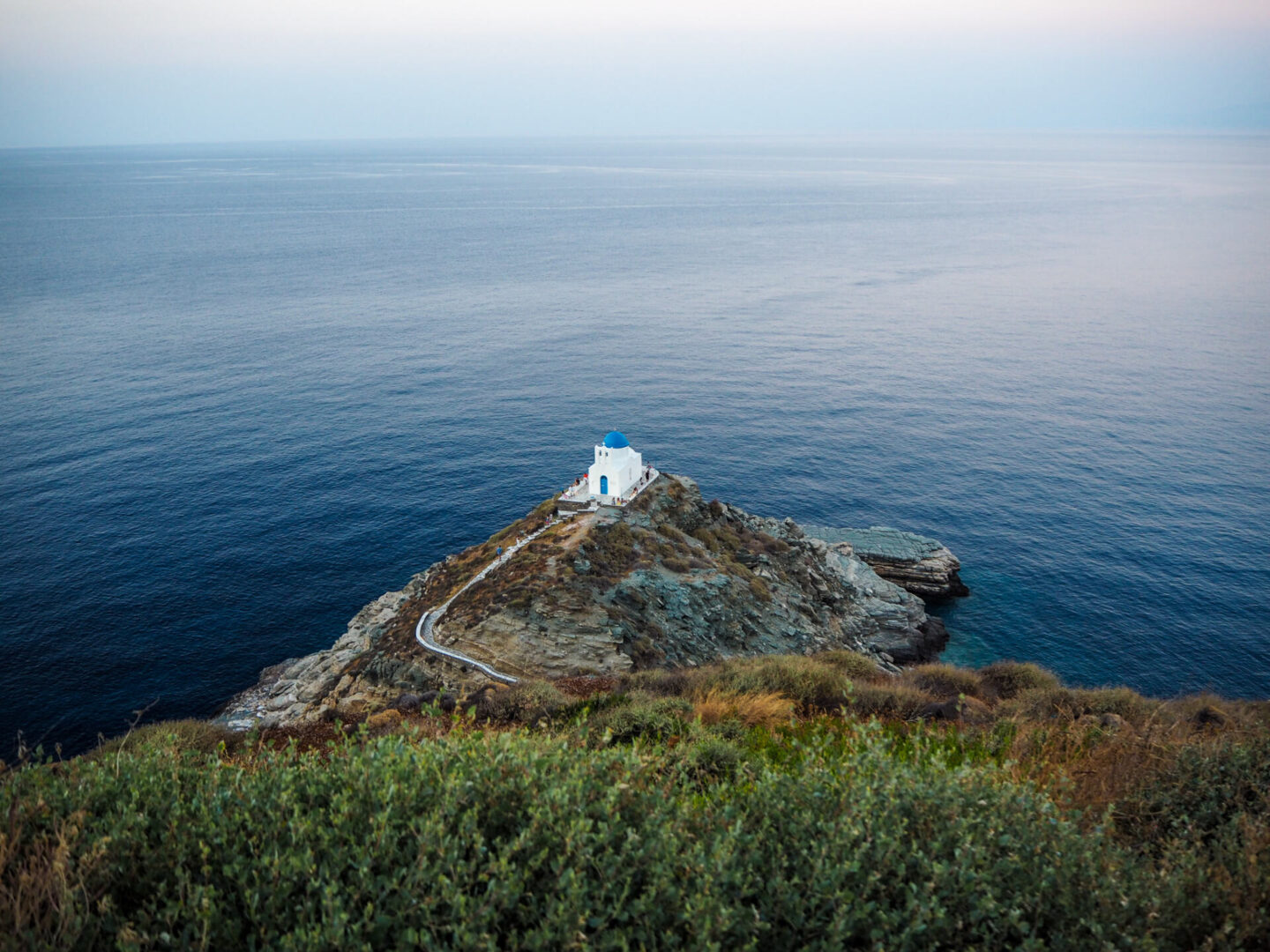
But for now, many of Greece’s smaller and more seasonal destinations aren’t quite there yet. And I think that is another reason not to assume that September is simply July without the crowds. Maybe in Santorini it is, but not in Sifnos.
Where you go matters almost as much as when you go.
IS SHOULDER SEASON ACTUALLY CHEAPER?
There is another assumption about travelling outside July and August that is worth looking at. Price.
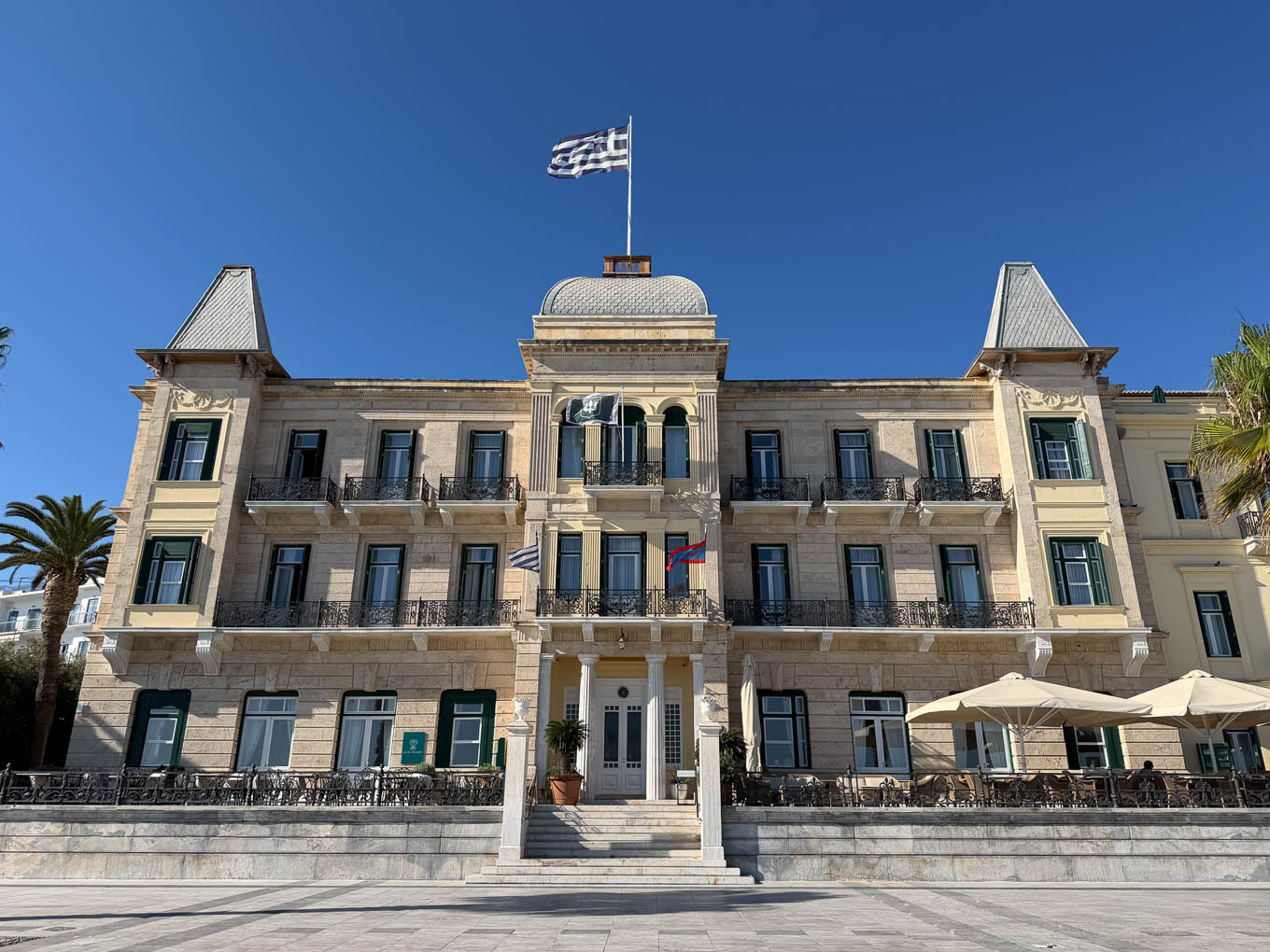
Hotels in Greece have expanded the dates to which they apply high-season prices. Even in mid-September, our hotel in Spetses (we stayed in Poseidonion Grand Hotel) had exactly the same rates (even after the island festival had ended) as it did in August.
I had a quick look around on Booking.com at other islands too. The prices at many top-tier hotels, at least, only start to drop in the last week of September, and sometimes not until October.
So, if your holiday planning is driven by price, take a good look at a wide range of dates rather than assuming that September or early June automatically means lower prices.
Shoulder season does not necessarily mean bargain season.
In fact, if you are looking for a bargain, and you are visiting the mainland for sightseeing, I would urge you to visit Greece in autumn, winter and early spring.
IS SHOULDER SEASON IN GREECE WORTH IT?
After all that ranting, what would I actually tell a friend who asked me whether they should visit Greece in June or September?
If you want a classic Greek island beach holiday -long hot days, warm sea, beach bars, boats taking you to remote beaches, long dinners outside and that carefree Euro summer feeling- I would still choose July or August.
If you don’t enjoy hot weather, or you want to spend your holiday sightseeing, hiking, exploring towns and archaeological sites, June or September will suit you much better. In fact, shoulder season (as a travel term) in the mainland and some of the most populous Greek islands (eg Corfu, Rhodes or Crete) lasts throughout the spring and autumn months and visiting at any time during those periods should be a great experience.
Whether in the mainland or the islands, if you want fewer people, then yes, shoulder season absolutely delivers on that.
That’s the thing about travelling in the shoulder season. You are trading certainty for other advantages. Just know what you are booking.
There is no single ‘best time’ to visit Greece. But there is a best time for the holiday you want to have.
SO, WHAT AM I DOING NEXT YEAR?
Perhaps this experiment has changed my own plans too.
Next year, I am actually considering booking our Greek island holiday for late June – early July. It might just be the sweet spot: proper summer weather and that unmistakable Greek summer atmosphere, without quite reaching the peak of mid and late July and August.
Or, perhaps, I will discover that late June – early July is just as busy and expensive as the rest of the summer. We shall see.
Either way, I think I’ve learned my lesson. You are trading certainty for other advantages when you travel in the shoulder season, and there is nothing wrong with that. Just make sure you know what you are trading…
P.S. ‘When is the best time to visit the Greek islands‘ is one of the first posts I have ever written for this blog. Go ahead and read it! As you will see, my opinions have not changed that much!
This is not a sponsored post and I am not affiliated with any of the businesses or organisations mentioned.